

Common reasons for tyre blowouts (And how to avoid them)
Tyre blowouts and punctures can happen without warning, but understanding the most common causes helps drivers reduce risks and stay safer on the road.
A tyre blowout is one of the most stressful situations drivers can face on the road. Regardless of whether it happens on a motorway, during heavy rain, or in summer heat, a sudden loss of tyre pressure can quickly turn into a dangerous situation.
While some tyre failures are unavoidable, many blowouts and punctures happen because of preventable issues such as worn tyres, incorrect pressure, road damage, or poor wheel condition. Understanding the most common causes can help reduce the risk and keep you safer behind the wheel.
What Is a Tyre Blowout?
A tyre blowout occurs when a tyre rapidly loses air pressure, often due to structural failure or severe damage. Unlike a slow puncture, a blowout is usually sudden and can affect vehicle control almost instantly.
Drivers may experience a loud bang or popping sound, sudden pulling to one side, steering instability, vibration through the steering wheel, or rapid tyre deflation. Blowouts can happen at any speed, but they are especially dangerous on high-speed roads where stopping distances and reaction times are reduced.
The Most Common Causes of Tyre Blowouts
Potholes and Road Damage
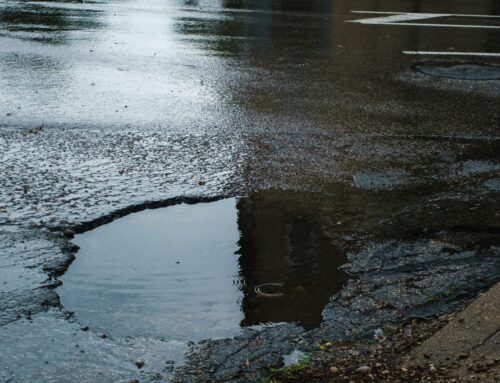
Poor road surfaces remain a major cause of punctures and wheel damage across the UK and Europe. Hitting potholes, kerbs, or debris at speed can damage both the tyre and the wheel itself.
Sometimes the damage is immediate, causing a puncture or sidewall split. In other cases, the impact weakens the tyre internally, leading to failure later on.
Low-profile tyres fitted to modern performance cars are particularly vulnerable because there is less tyre sidewall available to absorb impacts.
Underinflated Tyres
Driving with tyres below the recommended pressure is one of the leading causes of tyre failure. Underinflated tyres create more friction with the road surface, generating excessive heat inside the tyre.
Over time, this weakens the tyre structure and increases the risk of a blowout, particularly during long journeys or hot weather.
Modern vehicles are often heavier than drivers realise, especially SUVs and electric vehicles, meaning correct tyre pressure is even more important than before.
Checking tyre pressures regularly is one of the easiest ways to reduce the risk of failure.
Worn or Damaged Tyres
Tyres naturally wear over time, but driving on excessively worn tyres significantly increases the risk of punctures and blowouts.
As tread depth reduces, the tyre becomes less capable of handling heat, standing water, and sharp objects on the road. Cracks, bulges, or cuts in the sidewall are also warning signs that a tyre may be structurally compromised.
Ignoring visible tyre damage can quickly lead to a roadside emergency.
Overloading the Vehicle
Every vehicle has a maximum load capacity, yet many drivers unknowingly exceed it when travelling with passengers, luggage, tools, or other equipment.
Excess weight places additional strain on tyres, especially during longer journeys or warmer weather. This extra pressure increases heat build-up and can contribute to tyre failure.
Family SUVs, vans, and vehicles used for business purposes are particularly susceptible if load limits are ignored.
Heat and Weather Conditions
Tyres are heavily affected by temperature changes.
During summer, hot road surfaces and increased air temperatures raise tyre pressure and heat levels. Combined with long motorway journeys, this creates ideal conditions for blowouts if tyres are already worn or underinflated.
Winter creates different risks. Cold temperatures can reduce tyre pressure naturally, while wet, icy, or snowy conditions increase the likelihood of impact damage from potholes hidden beneath water or ice.
Heavy rainfall also increases the risk of aquaplaning, especially on worn tyres with poor tread depth.
Tyre vs Wheel Problems
Drivers often assume every roadside tyre issue is caused by the tyre itself, but wheel damage can be equally problematic. Tyre-related issues commonly include punctures from nails or road debris, sidewall bulges or cuts, blowouts caused by overheating, and slow pressure loss over time.
However, the wheel itself can also be the source of the problem. Bent alloy wheels, cracked rims, corrosion around the wheel edge, or damaged wheel seals can all lead to air leaks and poor tyre performance. In many cases, pothole impacts damage both the tyre and wheel together, meaning replacing the tyre alone may not fully resolve the issue if the wheel has also been compromised.
Are Some Vehicles More Susceptible to Tyre Problems?
Not all vehicles place the same demands on their tyres. Factors such as vehicle weight, size, performance, suspension setup, and even engine type can all influence how quickly tyres wear and what types of tyre problems are more likely to occur.
SUVs and Crossovers
Heavier vehicles place greater stress on tyres, particularly around corners and during braking. SUVs are also more prone to sidewall wear because of their higher centre of gravity.
Electric Vehicles (EVs)
Electric cars produce instant torque and tend to weigh significantly more due to battery packs. This can accelerate tyre wear and increase the likelihood of punctures or sidewall damage if tyres are not maintained correctly.
Performance Cars
Low-profile tyres found on sports and performance vehicles offer less cushioning against potholes and road imperfections, making them more vulnerable to wheel and tyre damage.
Vans and Commercial Vehicles
Vehicles carrying heavy loads or travelling long distances are at greater risk of overheating tyres, especially if pressures are not checked regularly.
Can Tyre Blowouts and Punctures Be Prevented?
Not every puncture or tyre blowout can be avoided entirely, but many tyre failures are preventable with regular maintenance and careful driving habits. In many cases, problems develop gradually over time before eventually leading to a roadside breakdown or sudden tyre failure.
One of the most important preventative measures is checking tyre pressures regularly. Underinflated tyres generate excess heat while driving, especially during motorway journeys or in hot weather, increasing the risk of structural failure. Drivers should also inspect tyres for visible signs of wear or damage such as cracks, cuts, bulges, or uneven tread wear, all of which can indicate that a tyre may no longer be safe.
Road conditions and driving habits also play a major role. Slowing down on damaged roads, avoiding potholes where possible, and checking wheel condition after heavy impacts can help prevent hidden damage from worsening over time. Overloading the vehicle should also be avoided, as additional weight places more strain on tyres and increases the likelihood of overheating or excessive wear.
Seasonal conditions can further affect tyre performance. Summer heat increases tyre temperatures, while winter often brings potholes, reduced tyre pressures, and slippery roads.
Ensuring tyres are suitable for the time of year and carrying a reliable spare wheel solution can make a major difference if unexpected tyre problems occur while travelling.
Why Carrying a Spare Wheel Still Matters
Many modern vehicles no longer come with a spare wheel as standard, instead relying on tyre sealant kits or inflation systems. While these solutions may work for smaller punctures, they are often unable to deal with more serious tyre damage such as sidewall splits, wheel damage, or full blowouts.
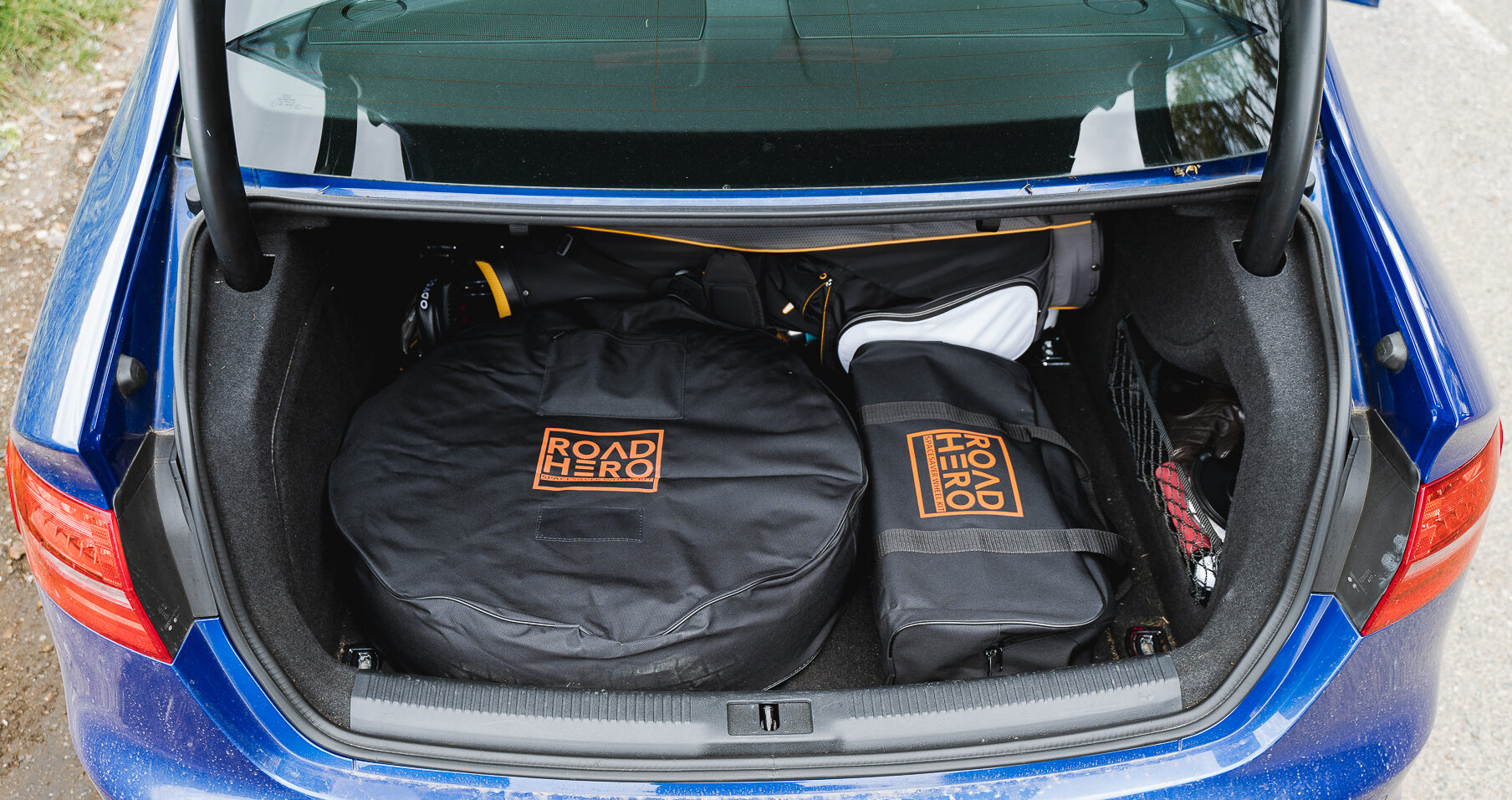
A space saver wheel kit provides a far more reliable roadside solution, allowing drivers to safely continue their journey after a tyre failure. Road Hero kits are designed to include everything needed for a quick wheel change, including the correctly fitted space saver wheel, jack, wheel brace, and storage bag, removing the uncertainty during stressful roadside situations.
For drivers covering long distances, travelling on motorways, or driving in areas where roadside assistance may take longer to arrive, carrying a space saver wheel can make a significant difference.
However, choosing the correct fitment is just as important. For the easiest way to find the right option for your vehicle, use our registration lookup tool or read our guide on how to find the right size space saver wheel for your car.
Be Prepared for the Unexpected
Tyre blowouts and punctures can happen to any driver, often with little warning. While proper tyre maintenance greatly reduces the risk, road conditions, weather, and debris can still cause sudden failures.
Being prepared with properly maintained tyres, regular inspections, and a reliable spare wheel solution can help drivers stay safer and avoid being stranded when problems happen unexpectedly.
Choose Road Hero — Be prepared. The right tools, at the right time.
- Find a retailer → https://www.roadhero.co.uk/retailers/
- FAQs → https://www.roadhero.co.uk/faqs/
- Technical information → https://www.roadhero.co.uk/technical-information/
Safety first: Always follow your vehicle handbook. Use temporary spares exactly as labelled. If you are unsure, speak to a qualified technician.